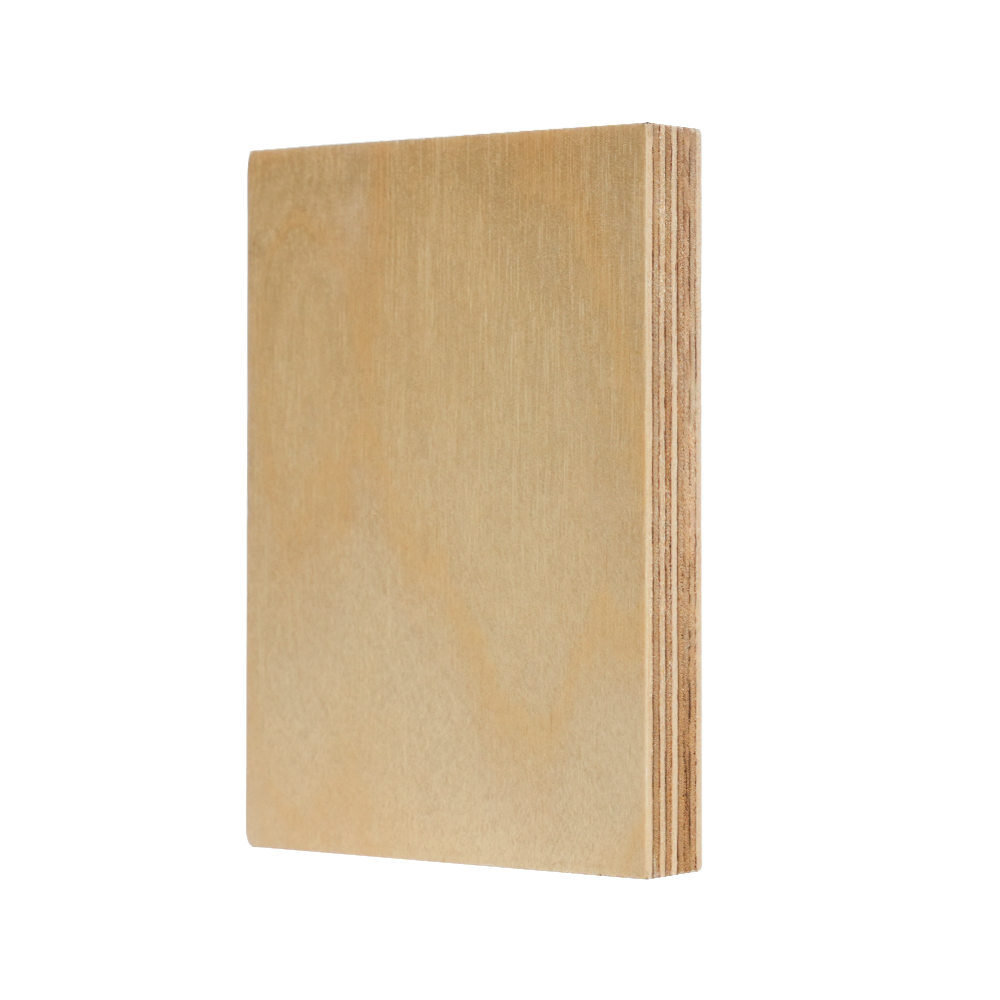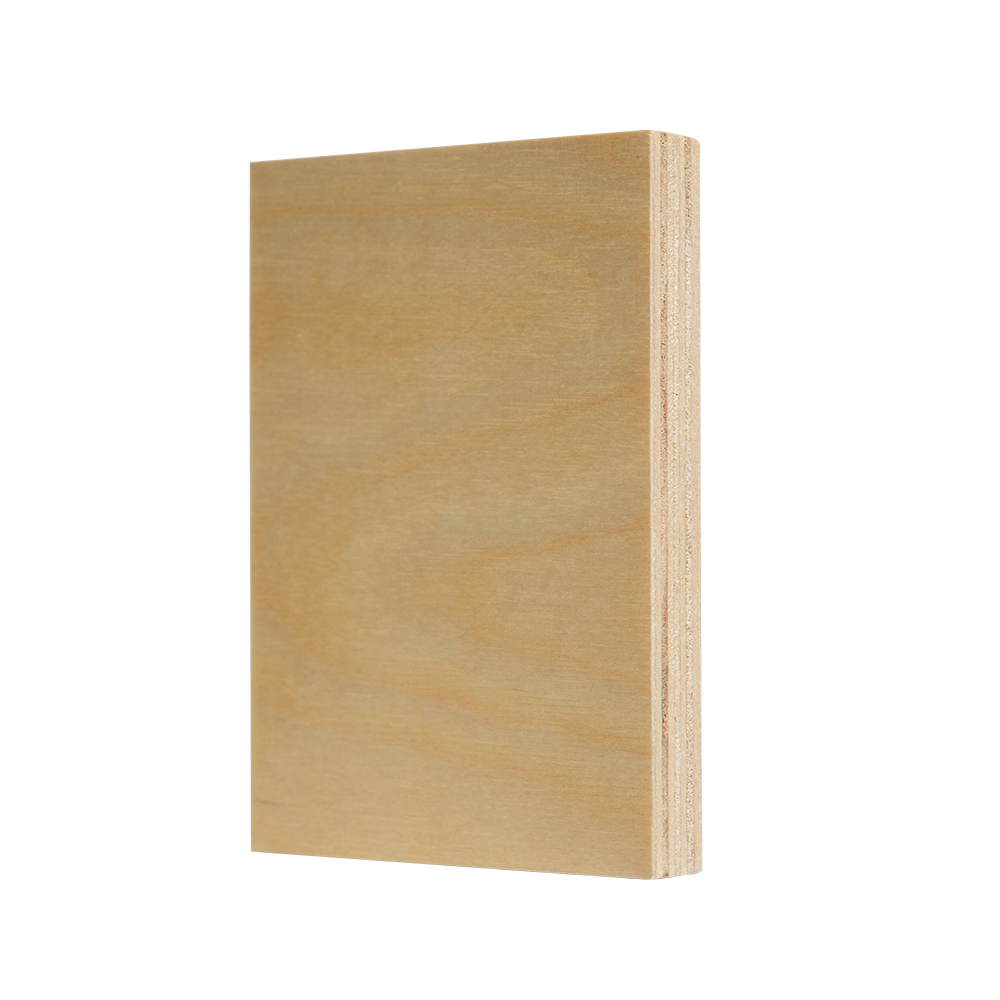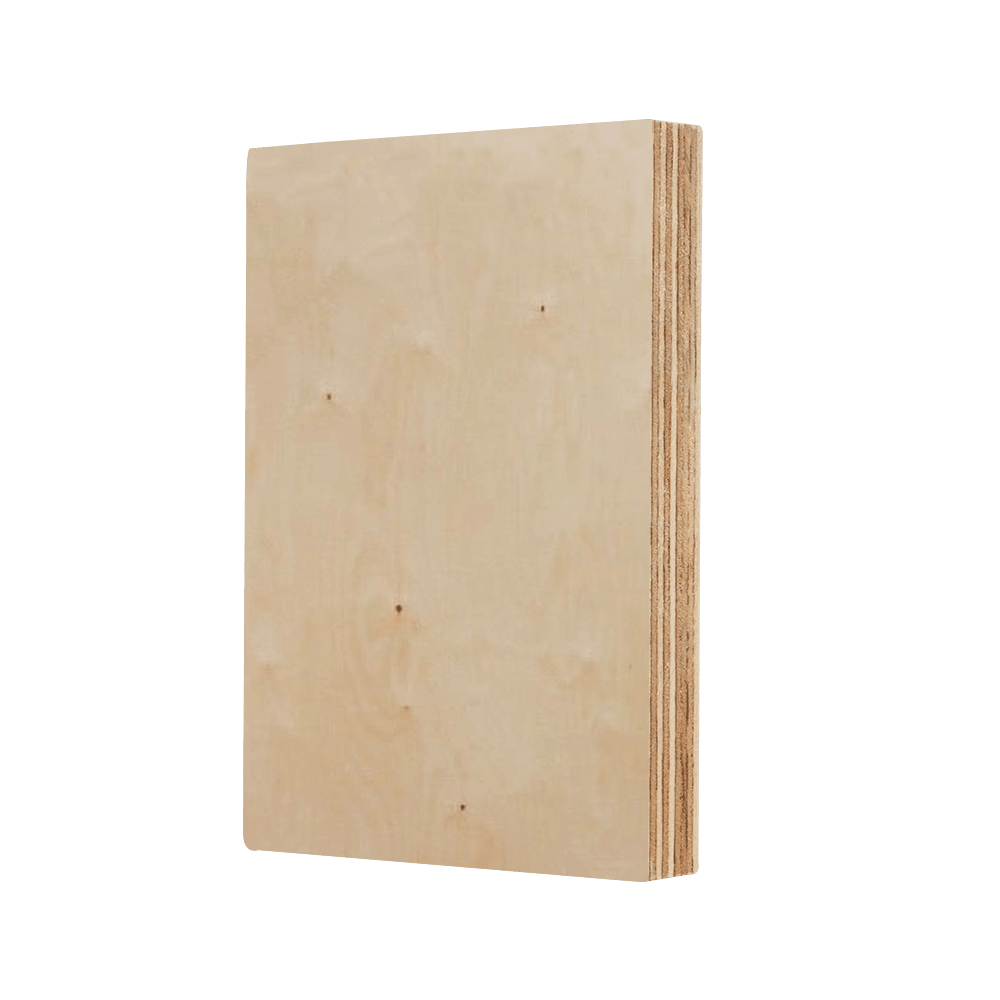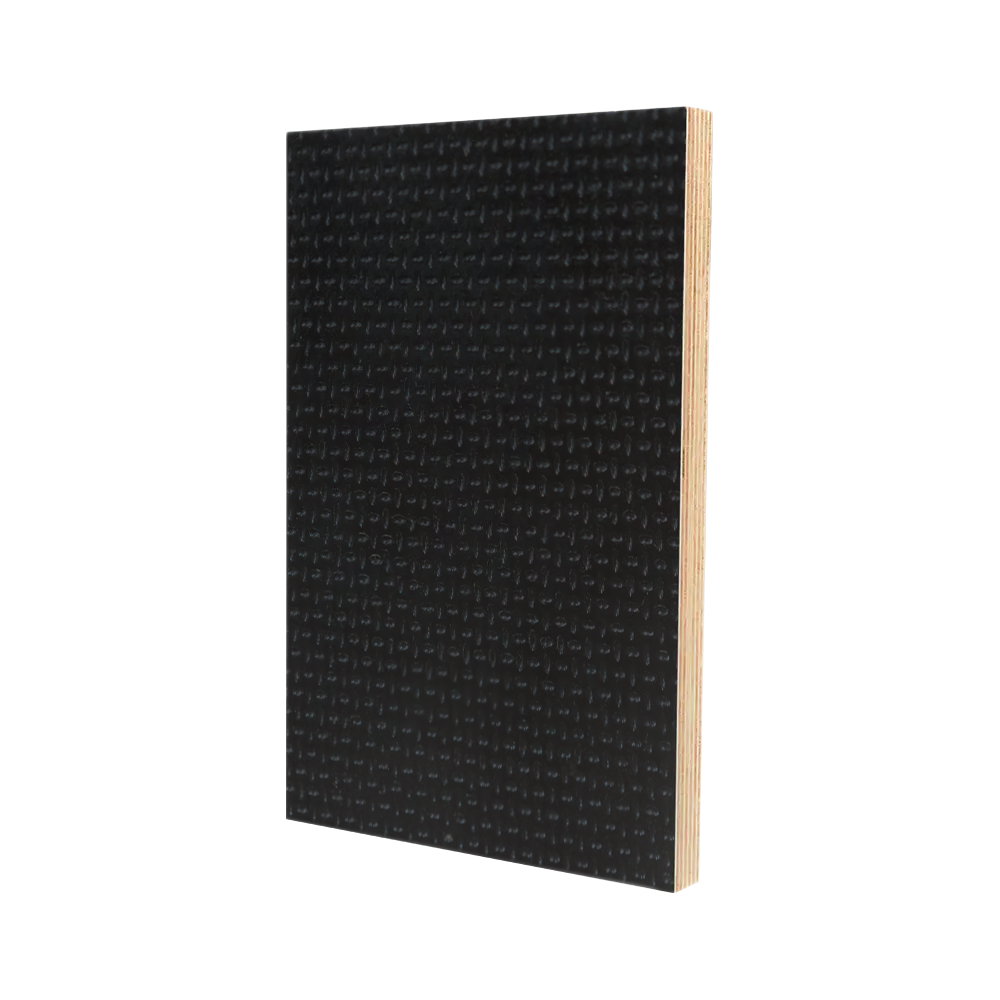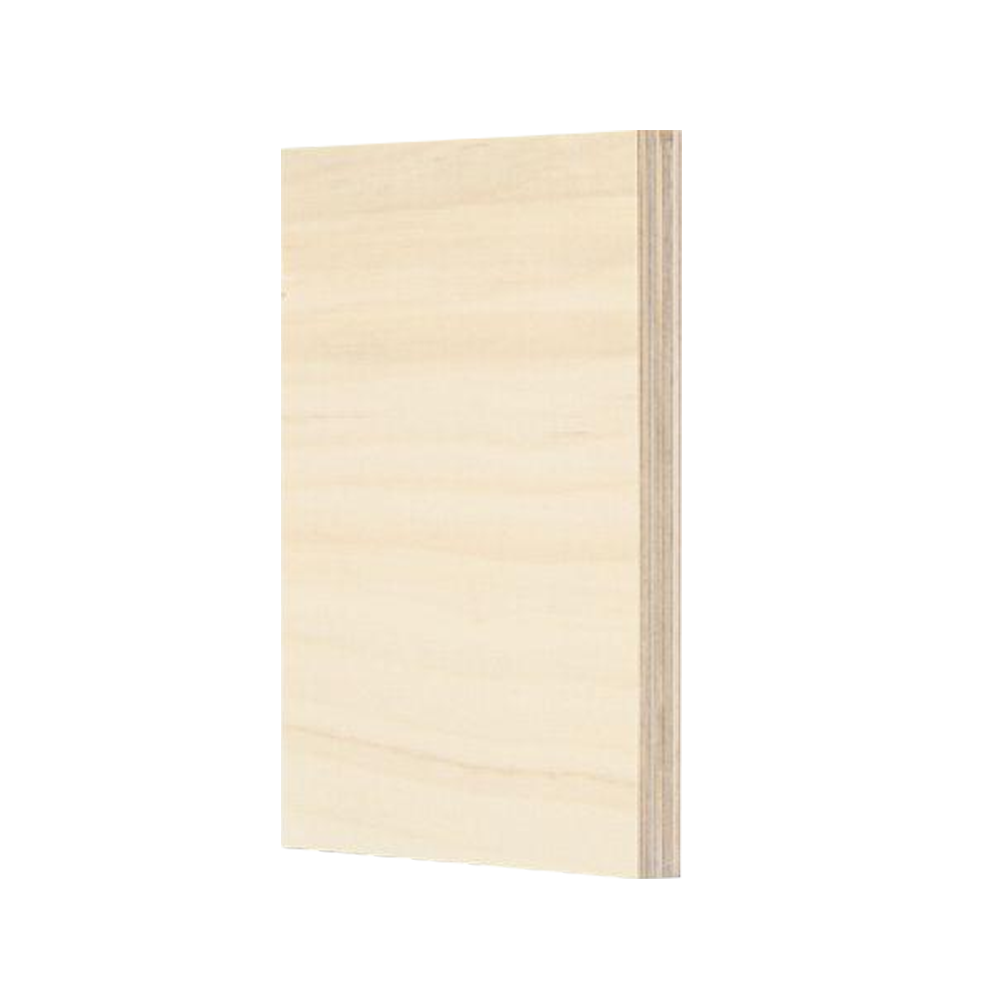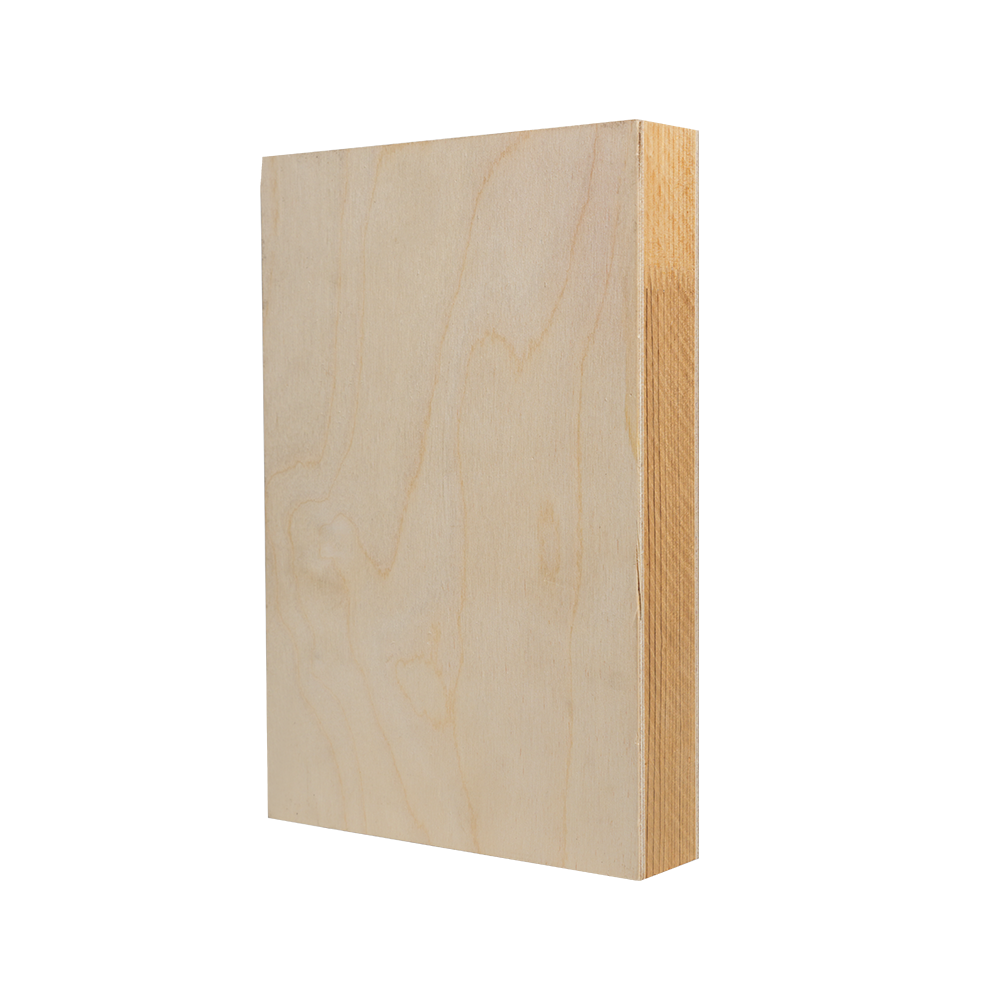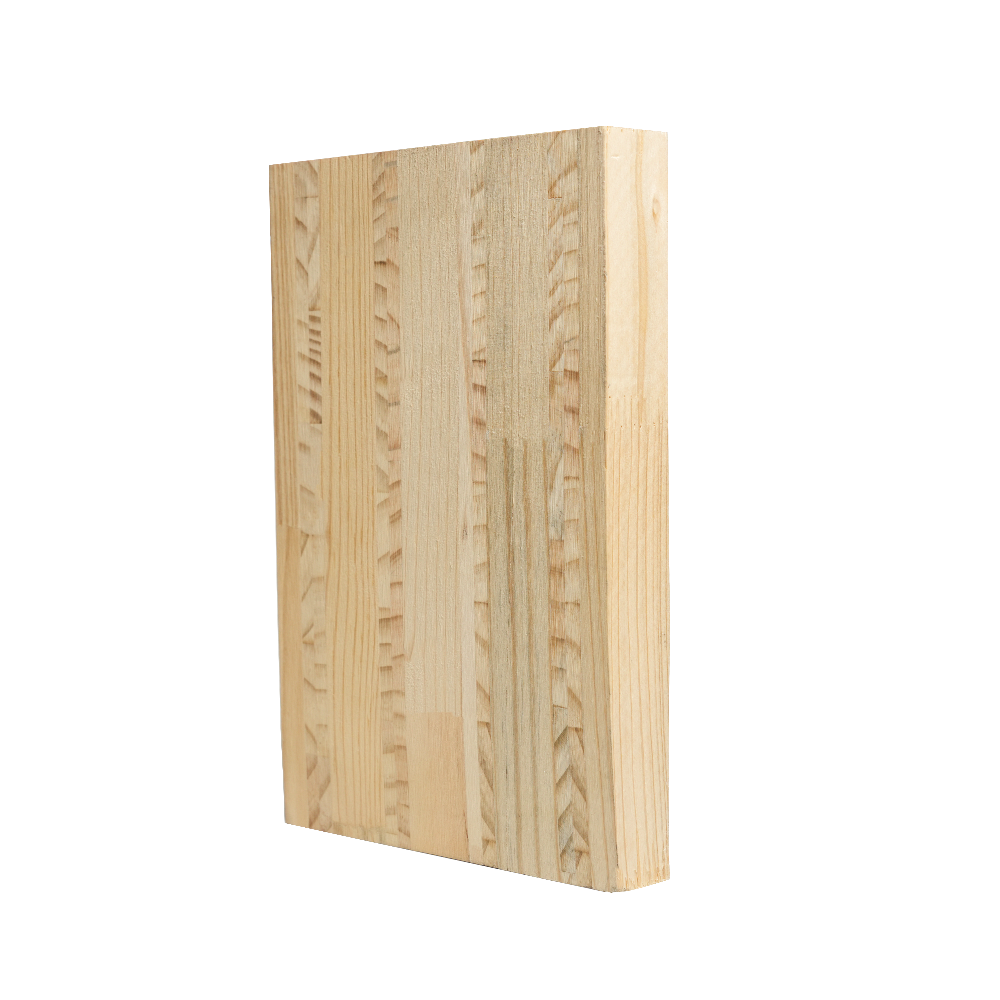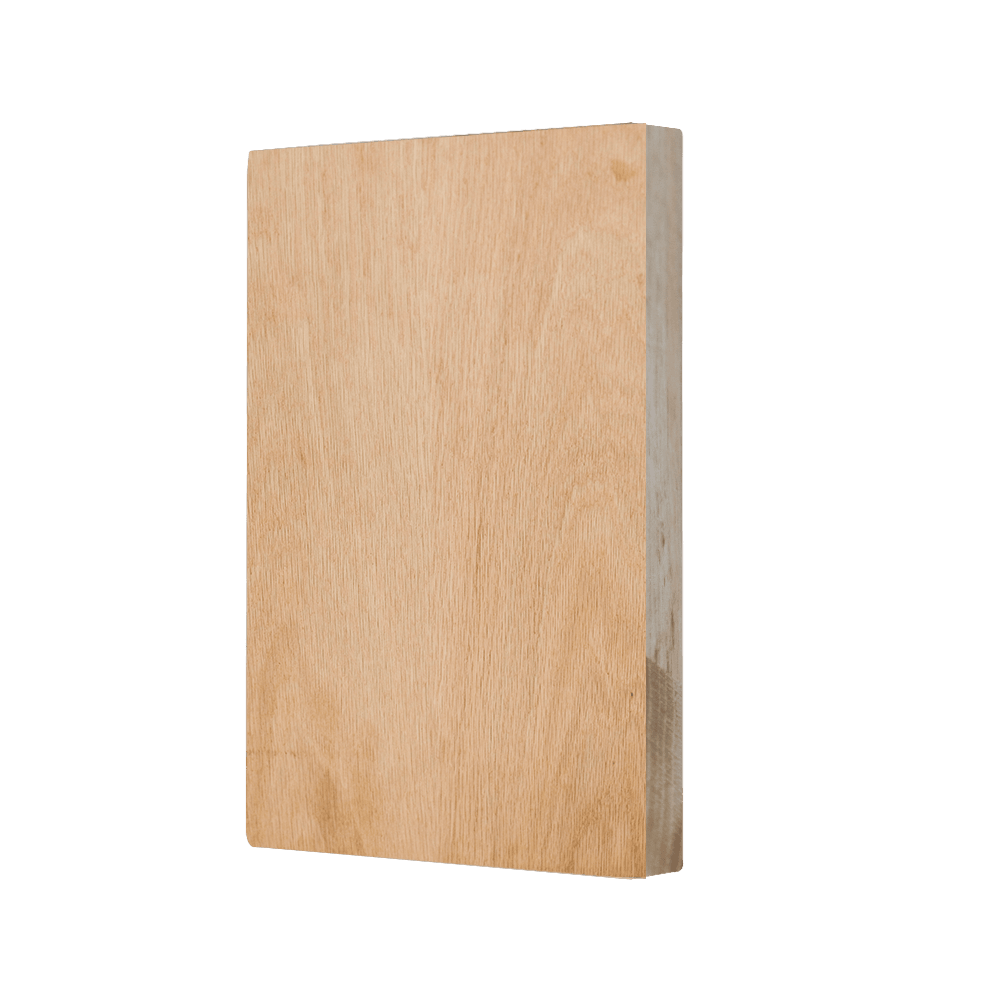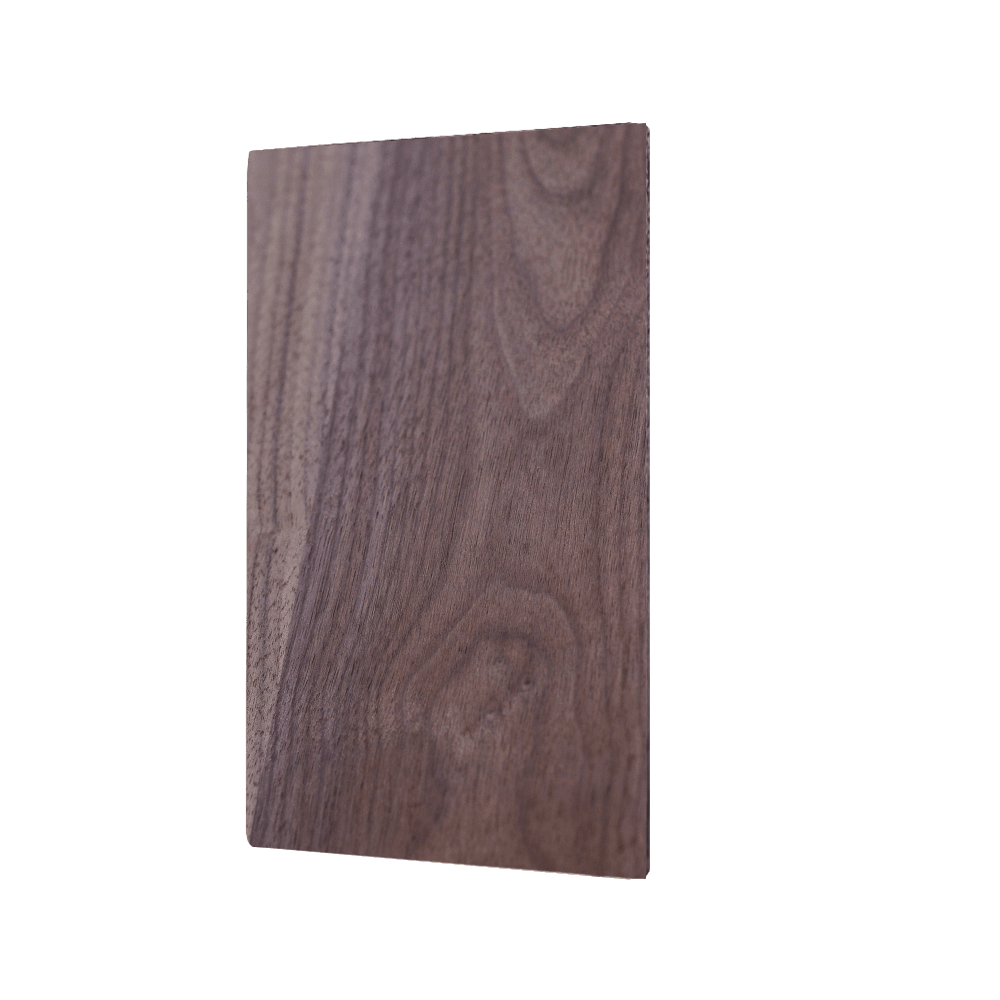

ในโครงการก่อสร้างและงานไม้สมัยใหม่ แผ่นไม้อัด ได้กลายเป็นรากฐานที่สำคัญที่ขาดไม่ได้เนื่องจากความเสถียรทางโครงสร้างและความคล่องตัวที่เหนือกว่า ซึ่งแตกต่างจากไม้เนื้อแข็งซึ่งมีแนวโน้มที่จะบิดเบี้ยวหรือแตกร้าวเนื่องจากความชื้นในสิ่งแวดล้อม ไม้อัดถูกสร้างขึ้นโดยการปูแผ่นไม้อัดไม้บางเป็นชั้นโดยมีทิศทางของลายไม้สลับกัน และยึดติดกันภายใต้แรงดันสูงด้วยกาวที่มีความแข็งแรงสูง โครงสร้างแบบ "cross-grain" นี้ทำให้แผงมีความต้านทานแรงดึงและความเสถียรของมิติที่ยอดเยี่ยม
เมื่อทำการเลือก แผ่นไม้อัด จำเป็นต้องระบุเกรดพื้นผิวซึ่งเป็นตัวกำหนดว่าวัสดุนั้นเหมาะสำหรับการใช้งานด้านโครงสร้างหรือการตกแต่งหรือไม่:
เกรด A (พรีเมี่ยม): พื้นผิวได้รับการขัดอย่างประณีตและแทบไม่มีปมหรือรอยแตกร้าว จึงเหมาะอย่างยิ่งสำหรับ ฝ้าเพดานไม้อัด การใช้งานหรือการทำเฟอร์นิเจอร์
เกรด B (เลือก): มีพื้นผิวเรียบแต่สามารถซ่อมแซมได้เล็กน้อยหรือมีปมขนาดเล็กมาก มักใช้กับพื้นผิวที่ต้องการทาสี
เกรด C (ธรรมชาติ): ช่วยให้มองเห็นปมและรอยแตกขนาดเล็ก พบได้ทั่วไปใน ไม้อัดชั้นล่าง หรืองานโครงสร้างอื่นๆ
เกรด D (ยูทิลิตี้): อนุญาตให้มีช่องว่างและข้อบกพร่องที่ใหญ่ขึ้น ใช้เฉพาะการเสริมแรงโครงสร้างโดยที่กระดานยังคงซ่อนอยู่
การทำความเข้าใจมิติมาตรฐานเป็นข้อกำหนดเบื้องต้นสำหรับการจัดทำงบประมาณโครงการและการวางแผนวัสดุ แม้ว่าขนาดที่กำหนดเองจะมีอยู่ แต่ซัพพลายเออร์ส่วนใหญ่ก็ปฏิบัติตามมาตรฐานเหล่านี้:
| พารามิเตอร์ | ขนาดมาตรฐาน (อิมพีเรียล) | เทียบเท่าเมตริก (ประมาณ) | สถานการณ์การใช้งานทั่วไป |
| ความกว้างและความยาวมาตรฐาน | 4 ฟุต x 8 ฟุต | 1220 มม. x 2440 มม | ขนาดการก่อสร้างที่เป็นสากลที่สุดสำหรับผนังและพื้น |
| ข้อมูลจำเพาะที่ยาวเป็นพิเศษ | 4 ฟุต x 10 ฟุต / 12 ฟุต | 1220 มม. x 3050/3660 มม | เพดานสูงหรือพื้นล่างช่วงกว้างเพื่อลดรอยต่อ |
| ความหนาบางเฉียบ | 1/4 นิ้ว | 6 มม | ฝ้าเพดานไม้อัด ตกแต่งแผ่นผนังโค้ง |
| ความหนาปานกลาง | 1/2 นิ้ว | 12 มม | เปลือกผนังเรียบง่าย ไม้อัดสำหรับพื้นโรงเก็บของ |
| ความหนาของโครงสร้าง | 5/8 - 3/4 นิ้ว | 16 มม. - 19 มม | มาตรฐาน ไม้อัดชั้นล่าง , โต๊ะทำงานสำหรับงานหนัก |
| ความหนาสำหรับงานหนัก | 1 นิ้ว - 1-1/8 นิ้ว | 25 มม. - 28 มม | พื้นย่อยเกรดเชิงพาณิชย์ โครงสร้างรับน้ำหนักสูง |
พื้นผิวไม้อัด เป็นมากกว่าทางเลือกด้านสุนทรียภาพ มันส่งผลต่อประสิทธิภาพการก่อสร้างและขั้นตอนหลังการประมวลผล:
พื้นผิวขัด: พื้นผิวมีความเรียบเนียนและละเอียดอ่อนต่อการสัมผัสเป็นอย่างยิ่ง การได้ผลลัพธ์ในอุดมคติด้วยการทาสีหรือรอยเปื้อนนั้นเป็นเรื่องง่าย มักใช้ในอาคาร ฝ้าเพดานไม้อัด .
พื้นผิวหยาบ/ไม่ขัด: คงความหยาบของไม้ตามธรรมชาติ เพิ่มการเสียดสี เมื่อนำมาใช้เป็น ไม้อัดชั้นล่าง พื้นผิวนี้ช่วยให้กาวยึดเกาะวัสดุพื้นผิวได้ดีขึ้น เช่น ปูนกระเบื้องหรือแผ่นรองพรม
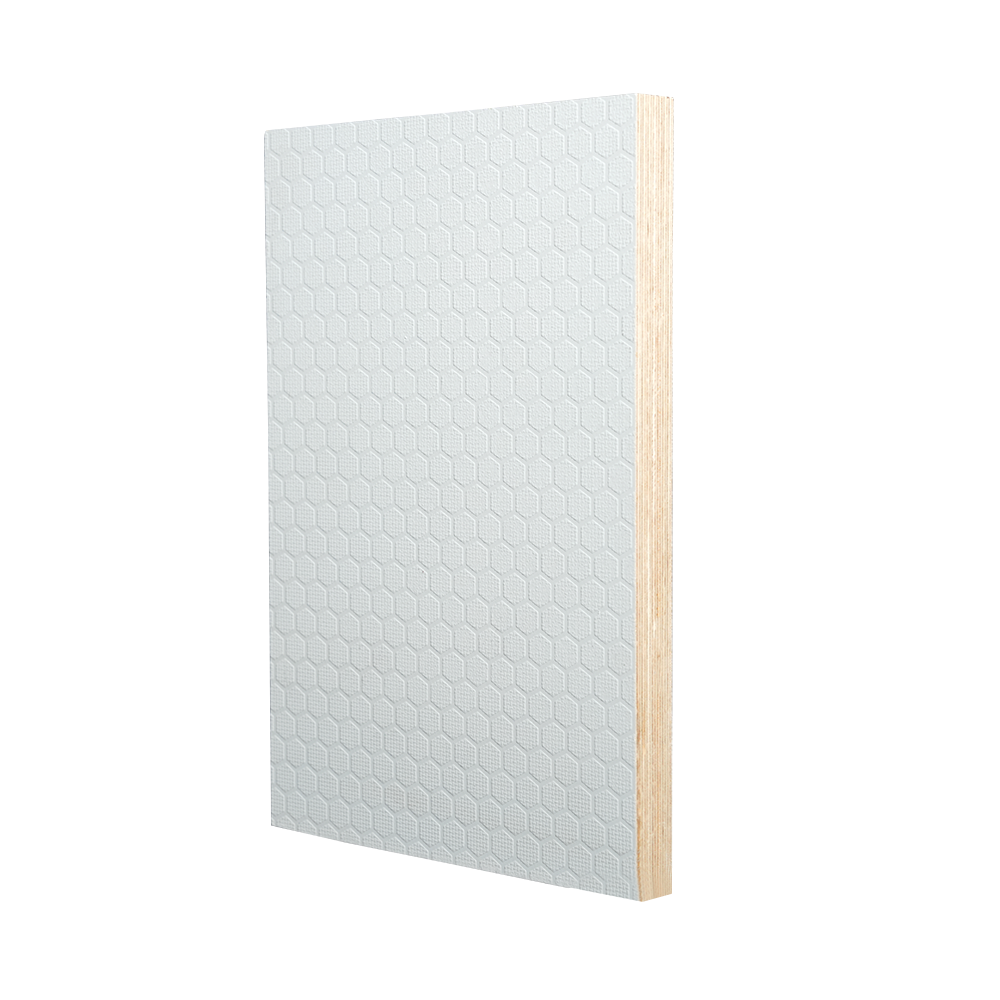
พื้นผิวกันลื่น: แผงบางส่วนใช้สำหรับ พื้นไม้อัดสำหรับโรงเก็บของ มีลวดลายนูนหรือตาข่ายเพื่อปรับปรุงความปลอดภัยในสภาพแวดล้อมที่ชื้น
ในการประกอบพื้นที่อยู่อาศัยหรืออาคารใด ๆ ไม้อัดชั้นล่าง ทำหน้าที่เป็น "กระดูกสันหลัง" ติดตั้งโดยตรงบนตงพื้นเพื่อให้มีระนาบรองรับที่มั่นคงและเรียบสำหรับชั้นตกแต่งขั้นสุดท้าย เช่น ไม้เนื้อแข็ง กระเบื้อง หรือพรม
เมื่อเทียบกับแผ่นไม้เนื้อแข็งยุคแรก บอร์ดปูพื้นไม้อัด ให้ความสมบูรณ์ที่สูงขึ้น กระจายแรงกดเฉพาะจุดจากการเดินได้อย่างมีประสิทธิภาพ และลดการเสียรูปของพื้นเนื่องจากการหดตัวและการขยายตัวของไม้ เมื่อติดตั้งพื้นย่อยข้อกำหนดหลักคือความแข็งแกร่งและความเรียบ
| คุณสมบัติ | ไม้อัดชั้นล่าง (CDX Grade) | มาตรฐาน Structural Board |
| เสถียรภาพของโครงสร้าง | สูงมาก; ข้ามชั้นต่อต้านความเครียด | ปานกลาง; มีแนวโน้มที่จะบวมถ้าเปียก |
| ต้านทานความชื้น | เกรด CDX ช่วยให้เปียกได้เป็นครั้งคราว | ขอบอาจหนาขึ้นอย่างถาวรหลังจากได้รับความชื้น |
| พลังในการยึดเกาะเล็บ | ยอดเยี่ยม; สกรูไม้อัด ยังคงปลอดภัย | ดี แต่ด้อยกว่าเล็กน้อยภายใต้ภาระระยะยาว |
| ความหนาที่แนะนำ | อย่างน้อย 23/32 นิ้ว (ประมาณ 18 มม.) | ขึ้นอยู่กับระยะห่างของตง |
เพื่อให้แน่ใจว่าพื้นยังคงมีเสถียรภาพและปราศจากเสียงแหลมเป็นเวลาหลายทศวรรษ การติดตั้ง บอร์ดปูพื้นไม้อัด ต้องเป็นไปตามมาตรฐานวิชาชีพ:
การออกแบบลิ้นและร่อง: แผงรองพื้นคุณภาพสูงมักมีขอบลิ้นและร่อง การออกแบบนี้ล็อคแผงที่อยู่ติดกันไว้ด้วยกัน ช่วยให้สามารถรองรับน้ำหนักโดยรวมได้แม้ในบริเวณที่ไม่มีตงรองรับ ช่วยลดจุด "อ่อน" หรือเสียงแหลมได้อย่างมาก
ช่องว่างการขยายตัว: เมื่อติดตั้ง แผ่นไม้อัด ควรเว้นช่องว่างประมาณ 1/8 นิ้ว (3 มม.) ระหว่างขอบด้านยาวของแผง ช่วยให้มีพื้นที่สำหรับการขยายตัวตามธรรมชาติเนื่องจากการเปลี่ยนแปลงของความชื้น และป้องกันการโก่งงอของพื้น
การยึดเชิงกลและกาว: วิธีการระดับมืออาชีพเกี่ยวข้องกับการทากาวยึดติดที่ตงก่อนที่จะยึดด้วยสกรูเฉพาะเพื่อป้องกันแบบสองชั้น
เมื่อสร้างโครงสร้างกลางแจ้งหรือพื้นที่จัดเก็บให้เลือก พื้นไม้อัดสำหรับโรงเก็บของ กำหนดอายุการใช้งานของอาคารโดยตรง พื้นโรงเก็บของต่างจากสภาพแวดล้อมในอาคารตรงที่ต้องทนทานต่อความชื้นในพื้นดิน รับน้ำหนักมากบ่อยครั้ง และอาจมีแมลงรบกวนได้
เมื่อเทียบกับคอนกรีตราคาแพงหรือไม้กระดานไม้เนื้อแข็งที่เน่าง่ายโดยใช้ประสิทธิภาพสูง แผ่นไม้อัด ให้ข้อได้เปรียบที่สำคัญ:
ความสามารถในการรับน้ำหนักสูง: สามารถรองรับน้ำหนักรวมจากเครื่องตัดหญ้า รถจักรยานยนต์ หรือชั้นวางของหนักได้
ความง่ายในการติดตั้ง: มาตรฐาน ขนาดแผ่นไม้อัด ช่วยให้ครอบคลุมพื้นที่ขนาดใหญ่ได้อย่างรวดเร็ว ลดระยะเวลาในการก่อสร้าง
ประสิทธิภาพต้นทุน: เป็นทางเลือกที่แข่งขันด้านราคาได้แทนแผ่นไม้เนื้อแข็งที่มีความหนาเท่ากันแต่ยังคงความแข็งแรงของโครงสร้างไว้
สำหรับโรงเรือนที่สัมผัสกับพื้นดินหรือในสภาพแวดล้อมที่ชื้น เป็นมาตรฐาน แผ่นไม้อัด สามารถสูญเสียการรองรับได้อย่างรวดเร็วเนื่องจากเชื้อราและเน่า ในกรณีเหล่านี้ ไม้อัดรับแรงอัดสำหรับพื้นโรงเก็บของ จะต้องถูกใช้ แผงเหล่านี้ถูกวางไว้ในถังแรงดันสุญญากาศซึ่งมีสารเคมีกันบูดถูกดันลึกเข้าไปในเส้นใยไม้
| ระดับการรักษา | ความเหมาะสมด้านสิ่งแวดล้อม | สถานการณ์การใช้งานทั่วไป | อายุการใช้งานโดยประมาณ |
| การสัมผัสภาคพื้นดิน (GC) | สัมผัสกับดินโดยตรงหรือความชื้นในระยะยาว | คานฐานราก ไม้อัดสำหรับพื้นโรงเก็บของ | 20-40 ปี |
| เหนือพื้นดิน (AG) | โครงสร้างเหนือพื้นดินระบายอากาศได้ดี | ผนังภายในเพิง ชานชาลาสูงจากพื้น >15 ซม | 15-25 ปี |
| เกรดภายนอก (CDX) | สาดเป็นครั้งคราวเท่านั้น ไม่มีความชื้นคงที่ | ความคุ้มครองชั่วคราว ได้รับการคุ้มครอง ไม้อัดชั้นล่าง | 5-10 ปี (เปิดเผย) |
เพื่อเพิ่มประสิทธิภาพสูงสุดในการ บอร์ดปูพื้นไม้อัด ในโรงเก็บของ ให้พิจารณาดังนี้
ความซ้ำซ้อนของความหนา: สำหรับโรงเรือนที่มีเครื่องจักรกลหนัก แนะนำให้ใช้แผงขนาด 3/4 นิ้ว (19 มม.) หรือหนากว่านั้น
อุปสรรคความชื้น: ก่อนทำการติดตั้ง. พื้นไม้อัดสำหรับโรงเก็บของ ให้วางฟิล์มโพลีเอทิลีน (อย่างน้อย 6 มิลลิเมตร) ระหว่างตงกับพื้น เพื่อป้องกันไม่ให้ความชื้นลอยเข้าไปในกระดาน
การปิดผนึกขอบ: แม้แต่ไม้ที่ผ่านการบำบัดแล้วก็ยังเสี่ยงต่อการตัด หลังจากตัดให้เฉพาะเจาะจงแล้ว ขนาดแผ่นไม้อัด ให้ใช้สารกันบูดที่ขอบตัด
ด้วยสไตล์อินดัสเทรียลและมินิมอลลิสต์ที่เพิ่มขึ้น ไม้อัดได้เปลี่ยนจากชั้นโครงสร้างมาเป็นพื้นผิวตกแต่ง ฝ้าเพดานไม้อัด และ แผ่นเมลามีน เป็นตัวอย่างที่สำคัญ
การใช้ แผ่นไม้อัด สำหรับเพดานนำมาซึ่งความอบอุ่นอันเป็นเอกลักษณ์ของไม้และโดดเด่น พื้นผิวไม้อัด ไปยังพื้นที่
ตัวเลือกน้ำหนักเบา: การติดตั้งบนเพดานมักจะใช้ข้อมูลจำเพาะที่บางกว่า (เช่น 1/4 นิ้วหรือ 3/8 นิ้ว) เพื่อลดภาระบนระบบกันสะเทือน
ประสิทธิภาพเสียง: พื้นผิวไม้ดูดซับเสียงได้ดีกว่าผนังยิปซั่ม ซึ่งช่วยลดเสียงสะท้อนภายในอาคารได้อย่างมีประสิทธิภาพ
ความสวยงามในการติดตั้ง: โดยใช้ขนาดที่ใหญ่ของ ขนาดแผ่นไม้อัด สามารถสร้างความรู้สึกตึงเครียดของภาพด้วยการกรุแบบไม่มีรอยต่อหรือแบบบล็อกขนาดใหญ่
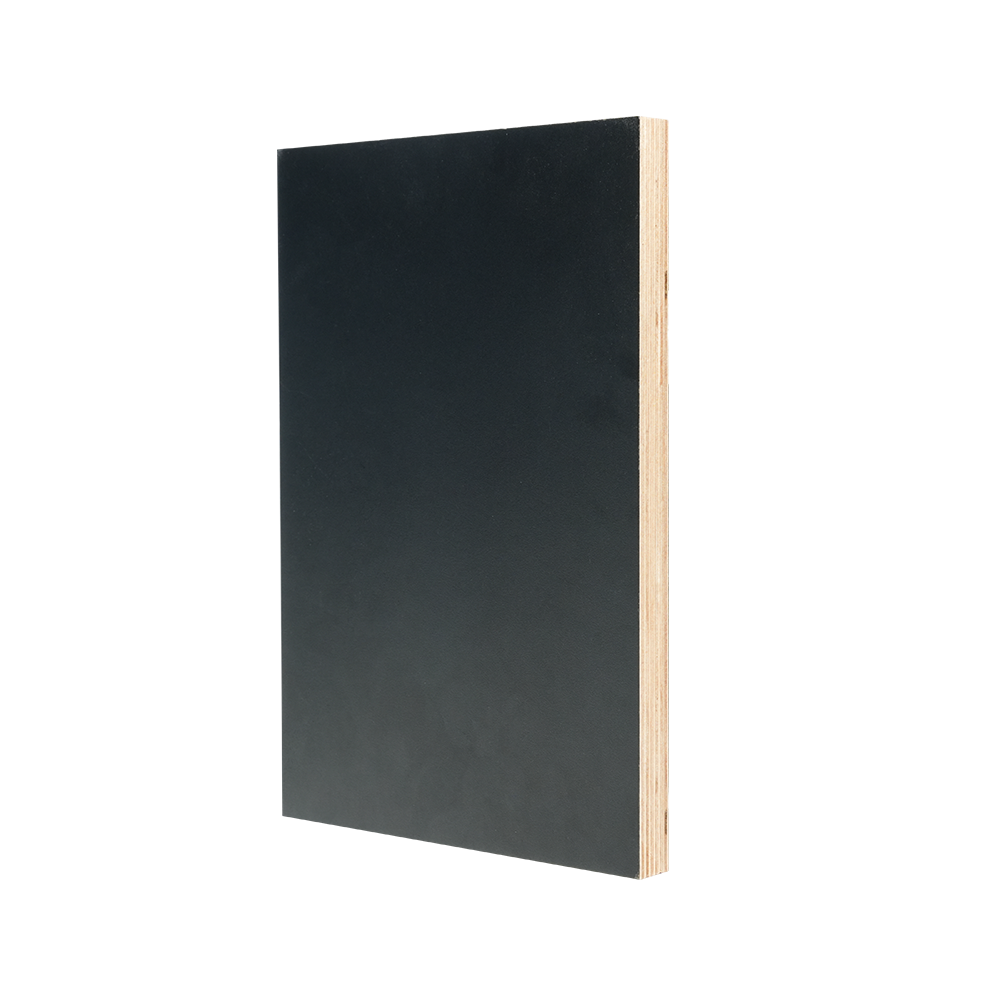
แผ่นเมลามีน ถูกสร้างขึ้นโดยกระดาษตกแต่งที่หลอมละลายด้วยความร้อนซึ่งชุบด้วยเมลามีนเรซินบนไม้อัดหรือแกนคอมโพสิต
| มิติประสิทธิภาพ | แผ่นเมลามีน | มาตรฐาน Painted Plywood Sheets |
| ความแข็งพื้นผิว | สูงมาก; ทนต่อการขีดข่วน | ขึ้นอยู่กับฟิล์มสี ค่อนข้างอ่อน |
| ทนต่อสารเคมี | ทนกรด/ด่าง; น้ำมันทำความสะอาดง่าย | มีแนวโน้มที่จะกัดกร่อนหรือย้อมสีสารเคมี |
| ลักษณะที่ปรากฏสม่ำเสมอ | สีสม่ำเสมอโดยสมบูรณ์ ไม่มีข้อบกพร่อง | การเปลี่ยนแปลงของเกรนตามธรรมชาติและความแตกต่างของสี |
| การรักษาขอบ | ต้องมีแถบขอบ มิฉะนั้นจะดูดซับน้ำ | สามารถขัดและทาสีได้โดยตรง |
แผ่นเมลามีน นิยมใช้กับท็อปครัว ภายในตู้เก็บของ และเฟอร์นิเจอร์ห้องปฏิบัติการที่ต้องเช็ดบ่อยๆ พื้นผิวเรียบชดเชยความหยาบและทำความสะอาดยากของแบบดั้งเดิม พื้นผิวไม้อัด .
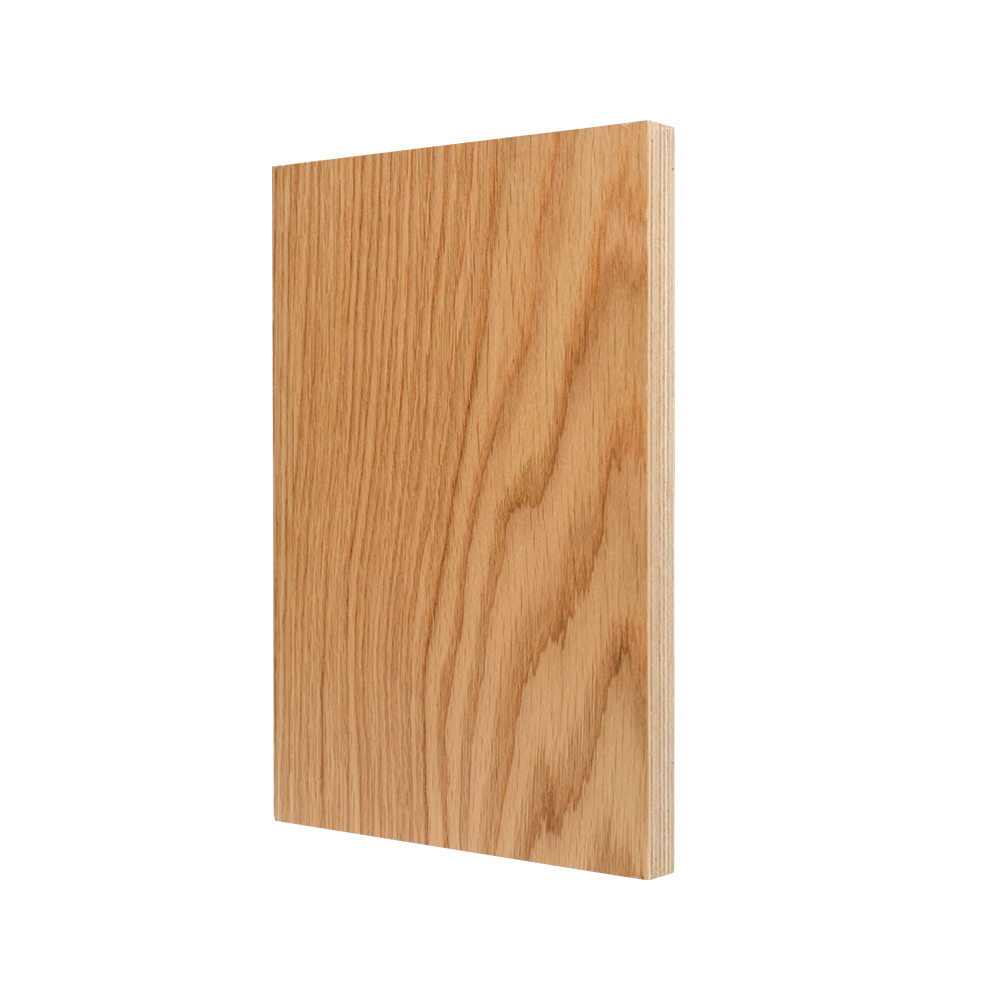
ฝ้าเพดานไม้อัด การใช้งานมักจะรักษาความรู้สึกของไม้ดิบ โดยใช้น้ำยาเคลือบเงาใสเพื่อแสดงการเคลื่อนไหวของลายไม้และเพิ่มความหรูหราของพื้นที่
ไม่ว่าจะติดตั้ง ไม้อัดชั้นล่าง หรือก พื้นไม้อัดสำหรับโรงเก็บของ การเลือกตัวยึดจะกำหนดความหนาแน่นของโครงสร้าง ตะปูธรรมดามักจะ "แตก" เมื่อไม้หดตัว ส่งผลให้กระดานหลุด
การออกแบบด้าย: มีคุณภาพสูง สกรูไม้อัด มีเกลียวหยักที่ตัดเส้นใยไม้ได้ง่ายเพื่อป้องกัน แผ่นไม้อัด จากการแตกแยกภายใต้ความเครียด
ข้อกำหนดการเคลือบ: เมื่อติดตั้ง ไม้อัดรับแรงอัดสำหรับพื้นโรงเก็บของ คุณต้องใช้ ชุบสังกะสีแบบจุ่มร้อน หรือ สแตนเลส สกรู เกลือของสารกันบูดในไม้ที่ผ่านการบำบัดแล้วมีฤทธิ์กัดกร่อนสูง สกรูชุบสังกะสีมาตรฐานจะใช้งานไม่ได้ภายในไม่กี่ปี
รูปร่างศีรษะ: การออกแบบหัวแบน (เทเปอร์จม) เป็นตัวเลือกที่ต้องการ บอร์ดปูพื้นไม้อัด เพื่อให้แน่ใจว่าหัวสกรูอยู่ในระนาบเดียวกับหรือใต้พื้นผิว จึงไม่รบกวนการปูพื้นครั้งต่อไป
เพื่อให้มีความมั่นคง ไม้อัดสำหรับพื้นโรงเก็บของ ระยะห่างของสกรูมักจะเป็นไปตาม "กฎ 6/12":
การยึดขอบ: สกรูหนึ่งตัวทุกๆ 6 นิ้ว (ประมาณ 15 ซม.)
การสนับสนุนระดับกลาง: สกรูหนึ่งตัวทุกๆ 12 นิ้ว (ประมาณ 30 ซม.)
ขอบขอบ: ควรเก็บสกรูให้ห่างจากขอบแผงอย่างน้อย 3/8 นิ้ว (10 มม.) เพื่อป้องกันไม่ให้เกิดการระเบิด
หลังจากติดตั้งเสร็จแล้ว. ไม้อัดชั้นล่าง หรือก พื้นไม้อัดสำหรับโรงเก็บของ การติดตามผลที่ถูกต้องถือเป็นกุญแจสำคัญในการประกันความทนทานของโครงสร้าง
สำหรับการสัมผัส ฝ้าเพดานไม้อัด หรือ furniture-grade boards, protecting the natural beauty of the พื้นผิวไม้อัด มีความสำคัญ:
การปิดผนึก: ใช้เครื่องซีลแบบใสเพื่อปิดรูไม้ก่อนทาทับหน้า เพื่อป้องกันการดูดซึมสีที่ไม่สม่ำเสมอและจุดด่าง
การย้อมสี: การย้อมสีสามารถเพิ่มความคมชัดของลายไม้ ทำให้ไม้อัดเกรดอุตสาหกรรมมีลักษณะเหมือนไม้เนื้อแข็งราคาแพง
วานิชทนต่อการสึกหรอ: สำหรับ บอร์ดปูพื้นไม้อัด ขอแนะนำให้ทาโพลียูรีเทนอย่างน้อยสามชั้นเพื่อป้องกันการสึกหรอในแต่ละวัน
| สถานการณ์การใช้งาน | ความท้าทายหลัก | การบำรุงรักษาที่แนะนำ | ความถี่ในการตรวจสอบ |
| พื้นไม้อัดสำหรับโรงเก็บของ | ความชื้นสารเคมีตกค้าง | ใช้เครื่องซีลดาดฟ้าเกรดอุตสาหกรรม | ทุก 1-2 ปี |
| ไม้อัดชั้นล่าง | เชื้อราที่คลายตัวและซ่อนเร้น | รักษาการระบายอากาศในพื้นที่คลาน; ตรวจสอบ สกรูไม้อัด | ระหว่างการบูรณะครั้งใหญ่ |
| ฝ้าเพดานไม้อัด | ฝุ่นละออง อุณหภูมิแปรปรวน | ใช้วานิชกึ่งด้าน การปัดฝุ่นเป็นประจำ | ทำความสะอาดเป็นประจำเท่านั้น |
| แผ่นเมลามีน | ขอบบวมจากความชื้น | ตรวจสอบแถบขอบ ติดกาวใหม่หากจำเป็น | ทุก 6 เดือน |
ข้อเท็จจริงทางเทคนิค: มันไม่แนะนำ แม้ว่าพื้นด้านล่างจะแข็งแรง แต่ก็ยังมีการโก่งตัวเล็กน้อย การปูกระเบื้องโดยตรงมักส่งผลให้กระเบื้องแตกร้าว โดยปกติแล้ว จะต้องมีชั้นปูนซีเมนต์ backer board ทับไว้ แผ่นไม้อัด เพื่อให้การสนับสนุนอย่างเข้มงวด
ข้อเท็จจริงทางเทคนิค: สังเกตพื้นผิวเป็นสีเขียวอ่อนหรือสีน้ำตาล นอกจากนี้ ไม้อัดที่ผ่านการบำบัดที่ผ่านการรับรองแล้วจะมีตราประทับที่ด้านข้างซึ่งระบุระดับการบำบัด (เช่น การสัมผัสภาคพื้นดิน) และรหัสสารเคมีที่ใช้
ข้อเท็จจริงทางเทคนิค: สิ่งนี้เกี่ยวข้องกับความแตกต่างระหว่างมิติข้อมูล "ระบุ" และ "จริง" เนื่องจากกระบวนการขัดในระหว่างการผลิต แผงที่มีป้ายกำกับว่า 3/4 นิ้ว จริงๆ แล้วมีขนาด 23/32 นิ้ว สำหรับการก่อสร้างที่มีความแม่นยำ ให้ใช้การวัดจริง
ข้อเท็จจริงทางเทคนิค: ชั้นพื้นผิวของบอร์ดเหล่านี้เปราะ ถ้าคุณใช้ สกรูไม้อัด หากไม่มีการเจาะล่วงหน้า พื้นผิวอาจแตกร้าวได้ ขอแนะนำให้ใช้สว่านที่มีฟังก์ชั่นเคาเตอร์ซิงค์ และให้แน่ใจว่าความยาวของสกรูอย่างน้อยสองเท่าของความหนาของบอร์ด
ข้อเท็จจริงทางเทคนิค: หากเป็นเพียงเชื้อราบนพื้นผิวก็สามารถทำความสะอาดด้วยสารละลายบอแรกซ์แล้วเช็ดให้แห้งอย่างทั่วถึง ตามด้วยน้ำยาซีลกันน้ำ อย่างไรก็ตาม หาก แผ่นไม้อัด เริ่มมีการแยกส่วน โครงสร้างภายในเสียหาย และต้องเปลี่ยนส่วนที่เสียหาย
ข้อเท็จจริงทางเทคนิค: แม้ว่าไม้จะติดไฟได้ แต่อัตราการติดไฟสามารถปรับปรุงได้โดยใช้การเคลือบสารเรืองแสงแบบโปร่งใส สารเคลือบนี้จะขยายตัวเมื่อถูกความร้อนจนกลายเป็นชั้นถ่านที่ปิดกั้นออกซิเจน
สินค้าที่เกี่ยวข้อง

Copyright © Tianma Lvjian (Nantong) Wooden Structure Technology Co., Ltd. Rights Reserved.